How Small Senior Care Houses Minimize Loneliness While Assisting with ADLs
Business Name: BeeHive Homes of Albuquerque West
Address: 6000 Whiteman Dr NW, Albuquerque, NM 87120
Phone: (505) 302-1919
BeeHive Homes of Albuquerque West
At BeeHive Homes of Albuquerque West, New Mexico, we provide exceptional assisted living in a warm, home-like environment. Residents enjoy private, spacious rooms with ADA-approved bathrooms, delicious home-cooked meals served three times daily, and the benefits of a small, close-knit community. Our compassionate staff offers personalized care and assistance with daily activities, always prioritizing dignity and well-being. With engaging activities that promote health and happiness, BeeHive Homes creates a place where residents truly feel at home. Schedule a tour today and experience the difference.
6000 Whiteman Dr NW, Albuquerque, NM 87120
Business Hours
Families hardly ever call me due to the fact that of medication schedules or shower difficulties. They call because a parent is alone, not consuming well, missing visits, and silently disliking life. The Activities of Daily Living, or ADLs, are generally the visible problem. Loneliness is the part that keeps them up at night.
Small senior care homes, in some cases called residential care homes or board-and-care homes, sit at the crossway of these 2 realities. They supply hands-on aid with bathing, dressing, toileting, transfers, and meals, yet they feel closer to an extended family household than a facility. For many years, I have seen these smaller settings alter the trajectory for older grownups who had almost given up, especially those who struggled in bigger assisted living communities.
This is not magic. It originates from scale, style, and habits of every day life that are much harder to preserve in a structure with a hundred doors and a turning cast of staff.
The quiet expense of solitude in late life
Loneliness in older grownups is not just "feeling a bit down." Research has actually consistently connected persistent social isolation with higher threats of dementia, anxiety, falls, and hospitalization. I have dealt with seniors who technically had every service lined up - home health, meal delivery, weekly housekeeping - yet they still decreased because they invested 22 hours a day alone in a recliner.

ADLs and loneliness feed each other. When self-care ends up being hard, people withdraw. They may skip social events to avoid the shame of incontinence or needing aid with transfers. They stop preparing since it feels frustrating, then reduce weight and energy, which makes it even harder to head out. Eventually, a once-social individual can appear like a "homebody" or "persistent" when the real issue is that self-reliance has actually become too heavy to bring alone.
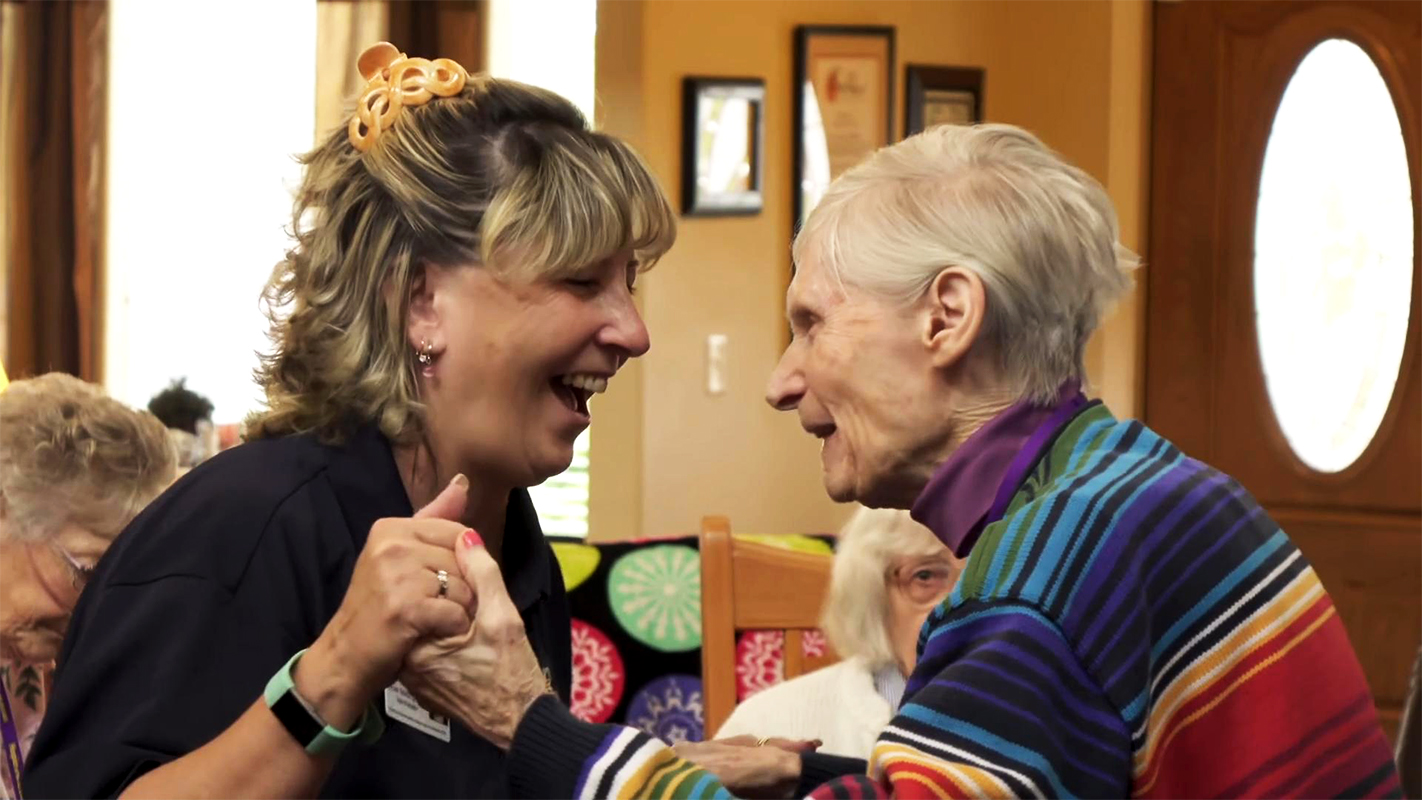
Any serious senior care strategy needs to deal with both sides: useful support with ADLs and meaningful human connection. Small care homes are integrated in a way that makes that combination more natural.
What "small senior care home" actually means
Families often confuse senior care terms, so it helps to be clear. A small care home is typically a home in a residential area that has actually been certified to provide elderly care to a minimal number of citizens, frequently between 4 and 10. Regulations and names differ by state. These homes sit someplace between standard assisted living and individually home care.
They are not nursing homes. The majority of do not provide intricate medical interventions or on-site doctors. Rather, they focus on individual care, security, medication management, and everyday support. Locals may require aid with bathing, dressing, and medication pointers, or they may need hands-on support with transfers and toileting.
I frequently describe small homes by doing this: imagine if you took the "care" part of assisted living and put it inside a regular home, with a tiny census and shared living spaces. That structure modifications almost everything about how loneliness and ADLs are handled.
Why bigger settings often have problem with loneliness
Large assisted living neighborhoods play a crucial role, and for some elders they are an outstanding fit. I have actually seen outgoing, independent residents thrive in those environments, participating in lectures, fitness classes, and getaways numerous times a week.
Yet the very same structures can feel overwhelmingly lonely for others. The reasons are rarely about bad intents. They have to do with scale.
When there are a hundred residents, even a strong activities program can not reach everyone in a meaningful method every day. Team member are extended across long hallways. The dining-room can seem like a dining establishment where you do not understand anyone. Someone who moves gradually or has hearing loss may sit at the edge of the action, physically present however socially separate.
ADL help can likewise become job oriented. Personnel have a list: shower Mrs. J, gown Mr. K, offer medication to room 204. Under pressure, it is tempting to move rapidly and avoid the small talk that makes somebody feel seen. For a resident who currently lost a partner, home, and driving advantages, that loss of individual connection throughout care can deepen a sense of being "processed" instead of cared for.
By contrast, small senior care homes have a built-in advantage. When you deal with 5 or 6 other people and see the exact same caretakers daily, it is challenging to remain invisible.
How small homes weave ADL support into daily life
One of the very first things households notice when they stroll into an excellent small care home is the rhythm. There is usually an odor of food rather of disinfectant. You hear a tv or soft music from the living room, not a paging system. Residents might remain in the cooking area chatting with personnel while lunch is prepared.
This environment matters due to the fact that it alters how ADL support shows up in the day.
Instead of caretakers "showing up" at a space at scheduled times, they are around, part of the backdrop. Assist with ADLs becomes more fluid. A resident struggling to button a shirt might call out from their bed room, and the caretaker can respond immediately since they are simply a couple of steps away, not at the end of a long corridor with 10 other call lights.
Assistance tends to be broken into natural moments:
First, morning regimens typically happen in a staggered fashion, assisted by the resident's pattern instead of a rigorous schedule. Someone who constantly woke up early can still rise at 6:30, have coffee in a peaceful cooking area, and then accept aid with bathing when they feel ready.
Second, meals are normally cooked in the home cooking area, which opens social opportunities. Homeowners might assist set the table or slice soft vegetables with adapted tools. Even those who are too frail to get involved still see, smell, and hear the procedure. The line in between "mealtime" and "social time" blends, which reduces both malnutrition and loneliness.
Third, small, regular check-ins become natural. Due to the fact that the caregiver sees each resident throughout the day, they can observe when someone is unusually withdrawn, skipping dessert, or staying in bed. These tiny observations amount to early intervention for depression or medical issues.
The same hands-on help that keeps someone safe in the shower can be a point of decent conversation, shared jokes, or peaceful reassurance. That is a lot easier to preserve when staff are not constantly hurrying to the next doorway.
The power of scale: understanding everybody by name and story
I am always cautious of any senior care provider who speaks in generalities about "our locals" but can not inform you much about individuals. In a small home, that is practically difficult. With six or eight citizens, their histories and choices enter into the fabric of the house.
Caregivers tend to understand which resident matured on a farm, who sang in a church choir, and who worked graveyard shift and disliked mornings for 40 years. These information are not trivia. They assist how ADLs are approached.
For example, I once dealt with a gentleman who had actually been a machinist. He did not like having others button his shirt, although arthritis in his hands made it difficult. In a small care home, staff had sufficient time and familiarity to adjust. They bought t-shirts with larger buttons and slightly stiffer material, then provided him additional time and perseverance, talking to him about the accuracy of his work rather of demanding "effectiveness." He accepted the assistance since it honored his identity, not simply his practical limitations.
That level of customization is harder in a building with a large census and staff turnover. When everybody knows each other's names, small jokes, and habits, casual interaction fills the day. Loneliness diminishes not through big activity calendars, however through layers of simple, human moments.
Shared spaces, shared routines
Architecturally, small senior care homes are closer to household homes. There is generally a typical living-room, a dining table you can in fact see individuals across, and typically an available backyard or patio area. Most of the day takes place in these shared areas, not behind closed doors.
This configuration has peaceful however powerful effects.
A resident with mild cognitive problems might forget invitations to activities, however they do not need to remember where the living room is. They are already there, watching others come and go, naturally drawn into whatever is occurring. If a staff member begins folding laundry at the table, homeowners drift in to assist or chat.
Structured activities, when they occur, are more likely to be small scale: baking cookies, sorting photos, watering plants, listening to music. For someone who feels overwhelmed by a huge group activity room, this intimacy can be more inviting.
Support with ADLs is built into these shared routines. A caretaker may assist residents clean hands before lunch, stroll them from chair to table, change seating for safety, and display consuming, all while continuing ordinary conversation. This blurs the difference between "care time" and "life time." It is much harder for loneliness to take hold when significant activities and casual companionship surround the useful support.
Staff continuity and real relationships
One constant distinction in between small homes and larger centers is personnel turnover and connection. Small homes often have a core team that has actually worked there for many years. The same three or 4 caregivers rotate through shifts, doing everything from individual care to light housekeeping and meal preparation.
This connection permits relationships to deepen. When the exact same person assists you shower, dress, and handle incontinence week after week, you develop trust. That trust is not abstract. It appears when a resident who when refused showers due to the fact that of embarrassment slowly relaxes, jokes about the water temperature, and stops withstanding. It appears when somebody confides about pain, unhappiness, or worry instead of hiding it.
It likewise matters for families. When they visit, they see familiar faces, not a brand-new stranger each week. Discussions about modifications in mobility, appetite, or mood are richer since caretakers have actually seen the resident hour by hour, not simply check out a chart.
This web of long-lasting relationships is one of the strongest remedies to loneliness. An older grownup may still grieve a partner or miss their old home, but they are no longer isolated in their experience. They belong to a small, continuous social system that notifications when they are not themselves.
Autonomy, dignity, and the psychology of requesting help
Many older adults resist assisted living or other kinds of senior care due to the fact that they are terrified of losing self-reliance. They worry that once they ask for assist with one ADL, they will be treated as powerless in all elements of life.
Small care homes can soften that worry. With fewer citizens to keep an eye on, personnel can calibrate assistance more finely. Someone might get complete help with bathing but just standby help when moving from bed to chair. Another might handle their own grooming however need tips and cues for dressing in the right order.
Crucially, the environment feels less institutional. Using a bathrobe in the corridor, keeping a preferred mug by the sink, or having family pictures on the wall all signal that this is a home, not a unit.
Residents often feel less ashamed to request help in a setting that looks and feels domestic. Accepting a caretaker's arm on the way to the table is more tasty than pushing a call button in a long passage and waiting while other alarms ring. That much easier access to support avoids physical accidents and also avoids the loneliness that originates from withdrawing to avoid embarrassing situations.
I have actually seen residents emerge socially over a few months simply due to the fact that they no longer fear a fall on the way to the restroom or an incontinence episode at dinner. When the mechanics of every day life feel more secure and more predictable, psychological energy appears for discussion, pastimes, and connection.
The function of respite care and transition periods
Not every household is ready for a permanent move into a care setting. There are likewise senior citizens who insist on staying at home but reveal clear signs of social and functional decrease. In these cases, short-term stays in a small care home as respite care can serve numerous purposes.
First, respite remains provide main caregivers a break to rest, travel, or address their own health. That alone can reduce the pressure that in some cases poisons family relationships. Second, and typically underrated, respite care in a small home reveals the older adult what supported living can seem like when it is done well.
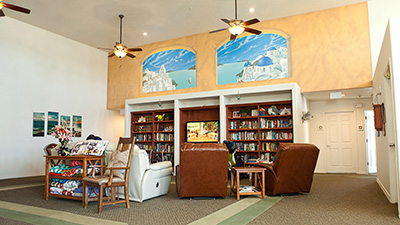
I dealt with a daughter whose father had declined every form of assisted living. He accepted "a couple of days" of respite while she had surgical treatment. In the small home, he found a fellow veteran at the breakfast table and discovered that the caregiver shared his love of baseball. The truth that someone cheerfully assisted him with socks and showering every early morning turned from humiliation into a running team joke about "pit crew service."
He returned home after 2 weeks, but the ice had broken. 6 months later, when his movement worsened, he selected that same small home himself. It was no longer an abstract loss of assisted living near me independence. It was a particular place with faces, regimens, and relationships he already knew.
Used this way, respite care becomes not only an assistance for the family however likewise a tool to decrease fear-based isolation.
Limitations and compromises of small care homes
Small is not instantly better. There are trade-offs that families need to weigh honestly.
Medical complexity is one. If somebody needs consistent nursing supervision, ventilator assistance, or complex wound care, a nursing home or specialized setting might be safer. Not all small homes have the staffing or licensure to handle sophisticated requirements, and some might rely greatly on outdoors home health agencies.
Cost is another element. In some markets, small homes are comparable to mid-range assisted living, particularly when you factor in greater care levels. In others, they may be more costly due to the fact that of their staff-to-resident ratio and the lack of economies of scale. Households need to look closely at what is included and what activates greater fees.
Social style matters too. An incredibly extroverted resident who flourishes on large occasions, live shows, and group trips might feel limited by a small peer group. On the other hand, someone with significant anxiety or sensory level of sensitivity may find the small environment deeply calming.
Geography can be difficult. Not every town has well-regulated small care homes, and quality can differ commonly. Licensing requirements differ by state, so families must do careful research rather than presume all "homes" operate with the same standards.
Recognizing these trade-offs keeps expectations practical. For the right person, however, the benefits for both ADL support and loneliness can far exceed the downsides.
Signs that a small senior care home may fit your relative
Here is a quick, practical method to think about fit:
- Your relative requirements day-to-day aid with a minimum of a couple of ADLs, however does not need 24 hour nursing or healthcare facility level care.
- They appear overwhelmed or withdrawn in big groups and choose quieter, more familiar environments.
- Loneliness or isolation at home is a significant issue, even if home care services are already in place.
- Family caregivers are extended thin and need relief, yet want their loved one to stay in a setting that feels more like a home than a facility.
- Consistency of personnel and a low staff-to-resident ratio are high top priorities for you and your family.
These are not stiff criteria, simply patterns I see in households who eventually say, "This sort of home is exactly what we required."
Questions to ask when exploring small care homes
When you visit possible homes, move beyond brochures and try to find the everyday truth. A few targeted concerns can expose a lot:
- Who will really be assisting my loved one with bathing, dressing, and toileting, and the length of time have they worked here?
- What does a common day appear like for locals who are less social or who have movement challenges?
- How do you discover and react when somebody starts isolating in their room or declining meals?
- How numerous citizens are here, and what is the personnel coverage throughout the day, nights, and nights?
- Can you tell me about a resident who was lonely when they got here and how you supported them over time?
The method staff answer is as important as the responses themselves. Look for specific stories, not vague peace of minds. Notification whether homeowners seem unwinded, engaged, and properly groomed. Take notice of small information like eye contact, intonation, and whether someone moseying to the bathroom gets calm, patient support.
Bringing it together: security with genuine connection
At its best, senior care provides more than safety. It uses a method back into every day life for individuals who have been slowly pressed to the margins by illness, bereavement, and functional decrease. Small senior care homes are among the clearest examples of this possibility.
By keeping the census low, they permit personnel to move beyond task lists into true relationships. By embedding ADL support into shared routines in a genuine home, they transform help with bathing, dressing, and meals into touchpoints of human contact instead of reminders of loss. By prioritizing consistency and familiarity, they minimize both the practical threats and the emotional pressure of late life.
Not every older grownup will select a small home. Not every region provides them. Yet for many families who feel trapped between unsafe independence in the house and impersonal large centers, these residential options open a 3rd path: one where support with ADLs and the battle versus loneliness are not different goals, however parts of the very same regular, shared days.
BeeHive Homes of Albuquerque West provides assisted living care
BeeHive Homes of Albuquerque West provides memory care services
BeeHive Homes of Albuquerque West provides respite care services
BeeHive Homes of Albuquerque West offers support from professional caregivers
BeeHive Homes of Albuquerque West offers private bedrooms with private bathrooms
BeeHive Homes of Albuquerque West provides medication monitoring and documentation
BeeHive Homes of Albuquerque West serves dietitian-approved meals
BeeHive Homes of Albuquerque West provides housekeeping services
BeeHive Homes of Albuquerque West provides laundry services
BeeHive Homes of Albuquerque West offers community dining and social engagement activities
BeeHive Homes of Albuquerque West features life enrichment activities
BeeHive Homes of Albuquerque West supports personal care assistance during meals and daily routines
BeeHive Homes of Albuquerque West promotes frequent physical and mental exercise opportunities
BeeHive Homes of Albuquerque West provides a home-like residential environment
BeeHive Homes of Albuquerque West creates customized care plans as residents’ needs change
BeeHive Homes of Albuquerque West assesses individual resident care needs
BeeHive Homes of Albuquerque West accepts private pay and long-term care insurance
BeeHive Homes of Albuquerque West assists qualified veterans with Aid and Attendance benefits
BeeHive Homes of Albuquerque West encourages meaningful resident-to-staff relationships
BeeHive Homes of Albuquerque West delivers compassionate, attentive senior care focused on dignity and comfort
BeeHive Homes of Albuquerque West has a phone number of (505) 302-1919
BeeHive Homes of Albuquerque West has an address of 6000 Whiteman Dr NW, Albuquerque, NM 87120
BeeHive Homes of Albuquerque West has a website https://beehivehomes.com/locations/albuquerque-west/
BeeHive Homes of Albuquerque West has Google Maps listing https://maps.app.goo.gl/R1bEL8jYMtgheUH96
BeeHive Homes of Albuquerque West has Facebook page https://www.facebook.com/BeehiveABQW/
BeeHive Homes of Albuquerque West won Top Assisted Living Homes 2025
BeeHive Homes of Albuquerque West earned Best Customer Service Award 2024
BeeHive Homes of Albuquerque West placed 1st for Senior Living Communities 2025
People Also Ask about BeeHive Homes of Albuquerque West
What is BeeHive Homes of Albuquerque West monthly room rate?
Our base rate is $6,900 per month, but the rate each resident pays depends on the level of care that is needed. We do an initial evaluation for each potential resident to determine the level of care needed. The monthly rate is based on this evaluation. We also charge a one-time community fee of $2,000.
Can residents stay in BeeHive Homes of Albuquerque West until the end of their life?
Usually yes. There are exceptions, such as when there are safety issues with the resident, or they need 24 hour skilled nursing services.
Does Medicare or Medicaid pay for a stay at Bee Hive Homes?
Medicare pays for hospital and nursing home stays, but does not pay for assisted living as a covered benefit. Some assisted living facilities are Medicaid providers but we are not. We do accept private pay, long-term care insurance, and we can assist qualified Veterans with approval for the Aid and Attendance program.
Do we have a nurse on staff?
We do have a nurse on contract who is available as a resource to our staff but our residents' needs do not require a nurse on-site. We always have trained caregivers in the home and awake around the clock.
Do we allow pets at Bee Hive?
Yes, we allow small pets as long as the resident is able to care for them. State regulations require that we have evidence of current immunizations for any required shots.
Do we have a pharmacy that fills prescriptions?
We do have a relationship with an excellent pharmacy that is able to deliver to us and packages most medications in punch-cards, which improves storage and safety. We can work with any pharmacy you choose but do highly recommend our institutional pharmacy partner.
Do we offer medication administration?
Our caregivers are trained in assisting with medication administration. They assist the residents in getting the right medications at the right times, and we store all medications securely. In some situations we can assist a diabetic resident to self-administer insulin injections. We also have the services of a pharmacist for regular medication reviews to ensure our residents are getting the most appropriate medications for their needs.
Where is BeeHive Homes of Albuquerque West located?
BeeHive Homes of Albuquerque West is conveniently located at 6000 Whiteman Dr NW, Albuquerque, NM 87120. You can easily find directions on Google Maps or call at (505) 302-1919 Monday through Sunday 10am to 7pm
How can I contact BeeHive Homes of Albuquerque West?
You can contact BeeHive Homes of Albuquerque West by phone at: (505) 302-1919, visit their website at https://beehivehomes.com/locations/albuquerque-west, or connect on social media via Facebook
You might take a short drive to Los Cuates. Los Cuates Restaurant provides a welcoming, casual dining experience well suited for residents in assisted living, memory care, senior care, elderly care, and respite care.